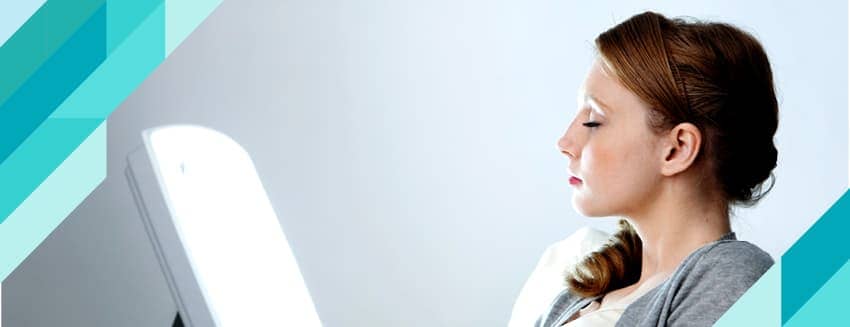
It is known that bright light therapy (phototherapy)—specifically, exposure to natural daylight, particularly in the morning—has a positive and uplifting effect on mood.
Bright light therapy (phototherapy) can also be used for this purpose. Although observations regarding this have been known for about a century, it has only become a systematic treatment practice in the last 20 years.
Devices used for bright light therapy (phototherapy) are now portable and filter out UV light. Research has shown that bright light therapy (phototherapy) has a positive effect on mood, leading to an improvement in depressive symptoms; it has a regulating effect on the circadian rhythm (biological clock); it enhances the effectiveness of antidepressant medications; and it regulates sleep quality.
How Does Bright Light Therapy (Phototherapy) Work?
It has been determined that its effectiveness, particularly in seasonal depression, may be related to its effect on biological rhythms and that its effects may arise through monoaminergic and melatoninergic mechanisms. In major depression, changes occur in the circadian rhythm (biological clock). This is primarily in the form of a phase delay. Clinical and epidemiological studies have shown that the prevalence of depression is higher among individuals with a phase delay. This phase shift in depression is also believed to be responsible for some depressive symptoms.
Melatonin is a neuroendocrine substance that plays a key role in the circadian rhythm. Its secretion increases at night and in the dark; it decreases during the day and in the light. Melatonin is a hormone that can cause depression. The suppression of melatonin secretion by bright light produces an antidepressant effect.
How Is Light Therapy Administered?
Bright light therapy (phototherapy) is administered, particularly in the early morning hours, at a dose of 10,000 lux for half an hour or 2,500 lux for 2 hours. Clinical practice and research have shown that treatment efficacy is higher at these doses and durations. The treatment duration is 1 week. During the treatment, he does not look directly at the light source and sits to the side. There must be a distance of at least 1 meter between the patient and the device.
Are There Any Side Effects of Phototherapy?
There are no serious side effects. However
, it has been reported that when used at high doses and for extended periods in patients with mood disorders, it may cause manic episodes. It has been suggested that bright light therapy (phototherapy) may rarely cause nausea and headaches depending on an increase in dose or duration. No toxic effects on the eyes have been observed. For all these side effects, the key is conscious and controlled use at appropriate doses and durations.
In Which Cases Can It Be Used?
Bright light therapy (phototherapy) is used in conjunction with medication to treat seasonal affective disorder. It was initially used for depression that occurs seasonally; later, it was found to be effective for non-seasonal depression as well. In addition, light therapy can be successfully applied in cases of chronic fatigue syndrome, sleep disorders caused by changing work schedules or jet lag, and in pregnant women for whom medication is not an option.


