
Technology

Mobile Digital X-Ray
What is an ECG? How is it Performed and Why is it Done?
What is a Rhythm Holter? How Is It Attached and What Is It Used For?

What is ECHO (Echocardiography)? How is it Performed?

What is Transcranial Pulse Stimulation (TPS)?

What is QCT (Quantitative Computed Tomography)?
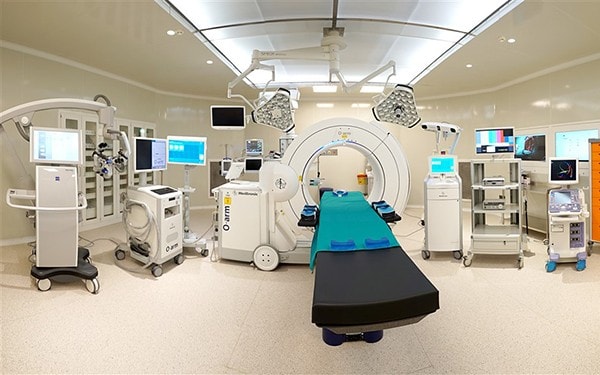
1A Ultra Clean Operating Room

Magnetic Resonance Imaging
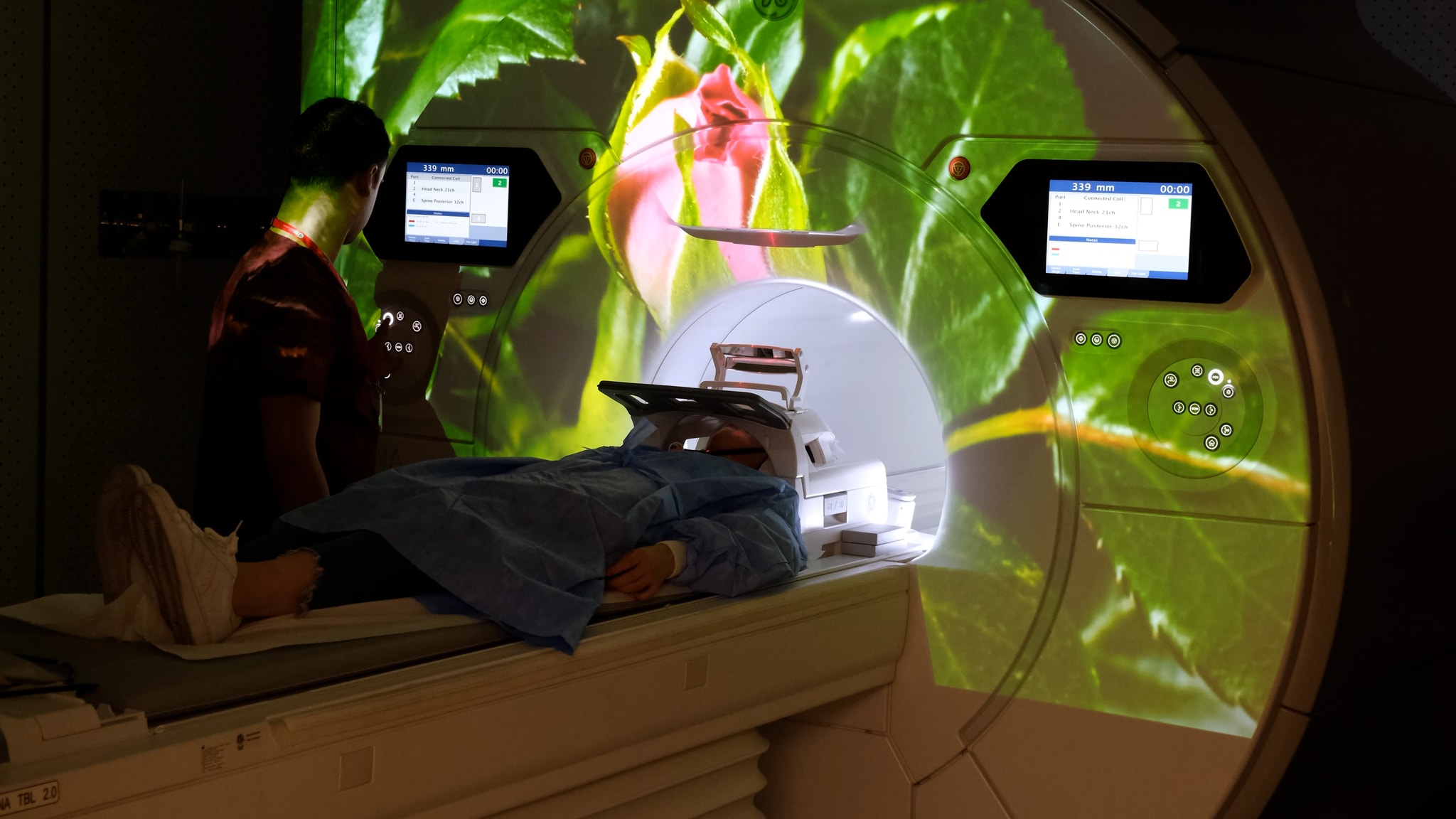
3 Tesla MR
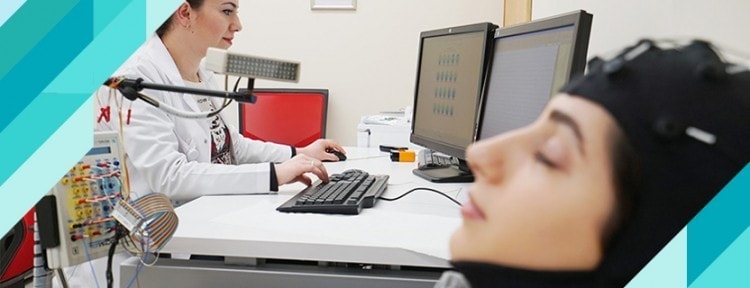
QEEG Topographic Brain Mapping
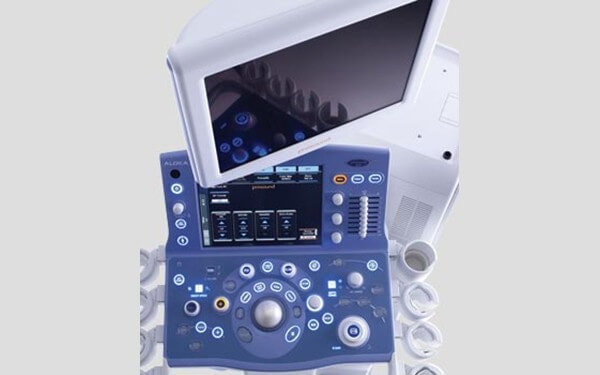
Intraoperative Ultrasound Device
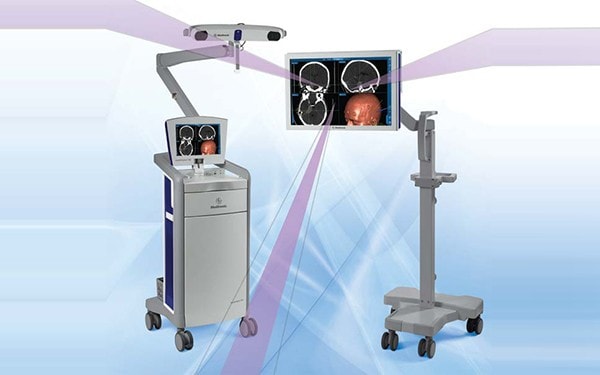
What is Neuronavigation (Surgical Neuronavigation System)?
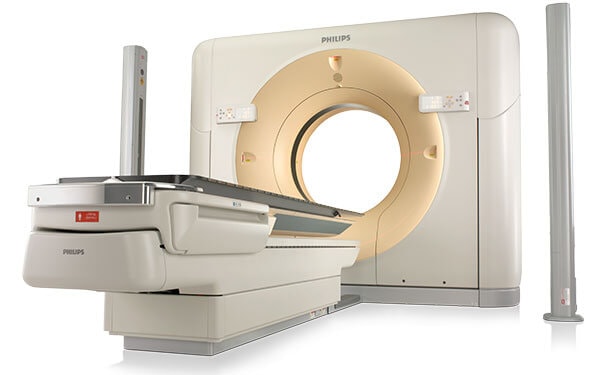
128-Slice with Coronary CT Angiography Features

What is Computed Tomography (CT)?

Neuromodulation Unit

X-Ray

Ultrasound (US)
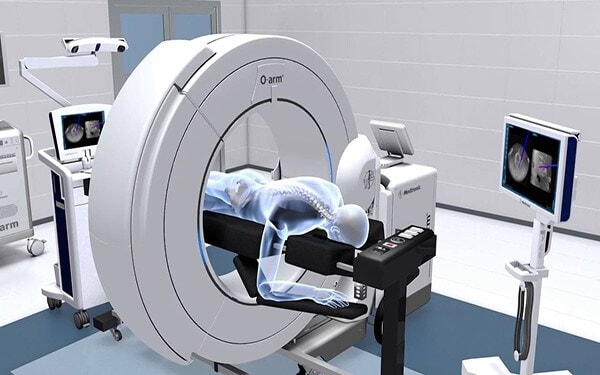
O-Arm Scopy and C-Arm Scopy
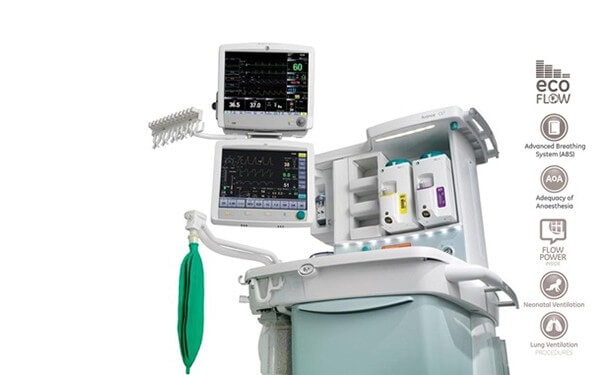
Anesthesia Device Capable of Measuring Depth of Pain
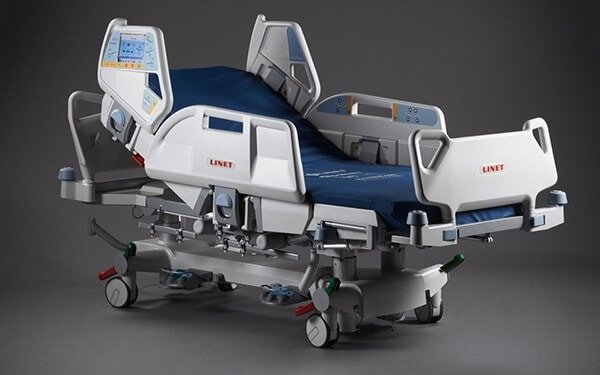
Therapeutic Intensive Care Bed
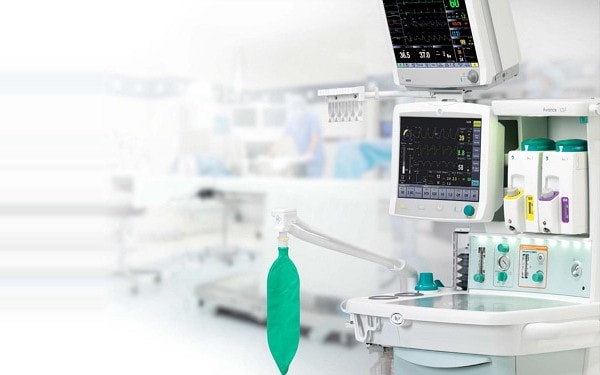
Bedside Imaging Systems
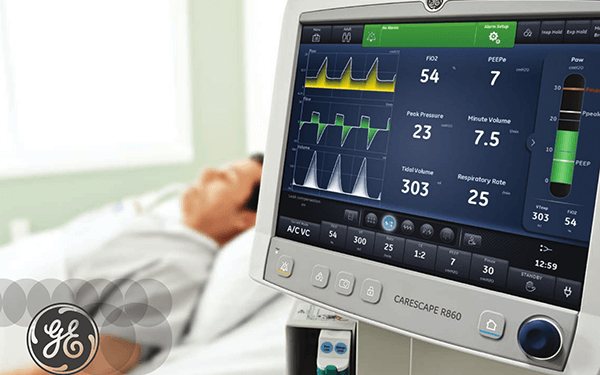
Respiratory Support Device
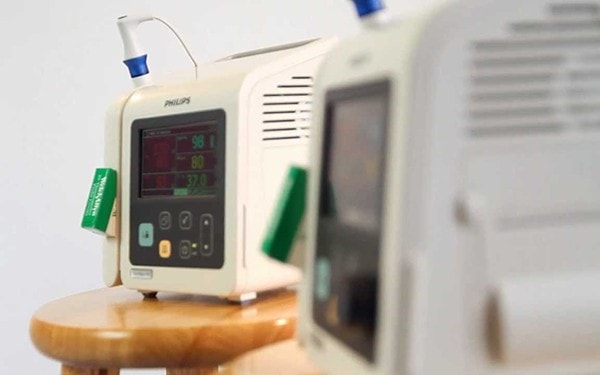
Vital Monitor
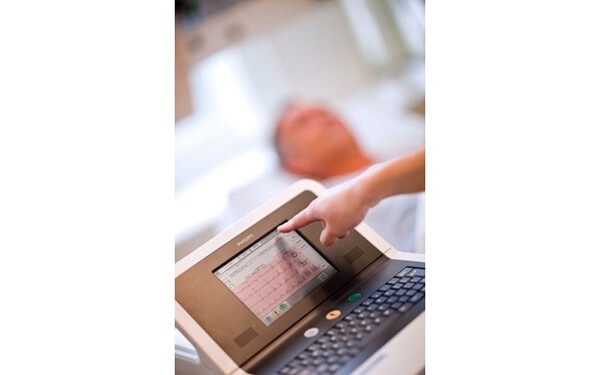
Operating Room Medical Recorder

Laser Coded Surgical Instrument Tracking System
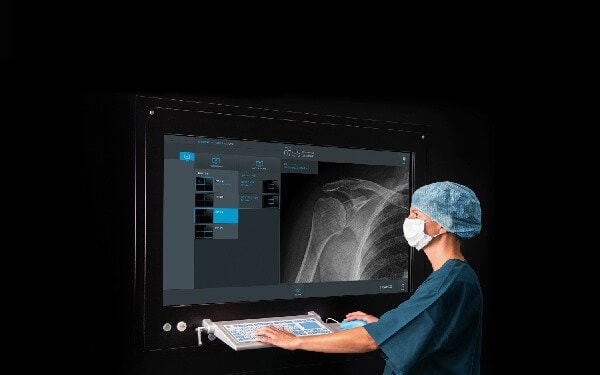
Operating Room Teleconferencing System
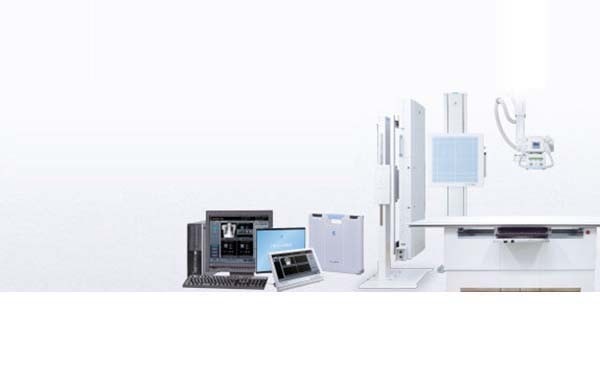
Digital X-Ray Suitable for Standard and Orthopedic Shooting
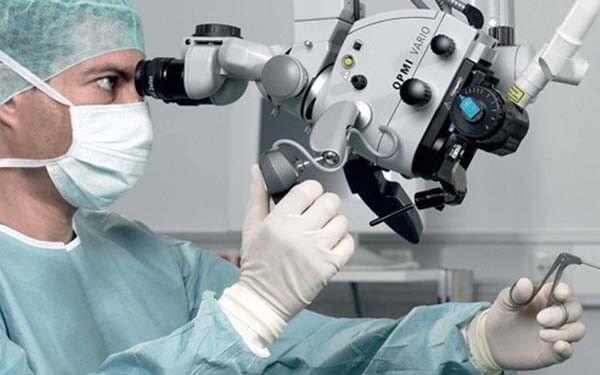
What is a Surgical Microscope?
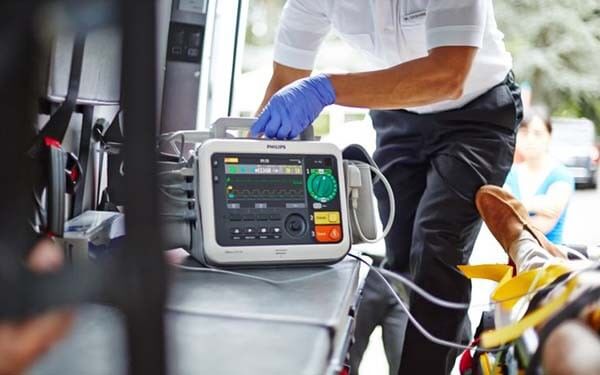
What is a Defibrillator?

Endoscopic and Laparoscopic Imaging System

Advanced technological capabilities in the healthcare sector are extremely important for enabling patients to benefit from healthcare services more effectively and reliably and for improving overall health outcomes. Here are some reasons why these technological capabilities are important:
Diagnosis and Treatment Processes: Thanks to advanced imaging devices, laboratory tests, and other medical devices, diseases can be diagnosed more quickly and accurately. This enables early intervention and effective treatment.
Patient Monitoring and Management: Electronic health records (EHRs) make it easy to track patients’ medical histories, medication use, and treatment plans. This ensures that patients receive more holistic and coordinated care.
Surgical and Other Medical Interventions: Robotic surgery and minimally invasive procedures enable surgical procedures to be performed with greater precision, safety, and speed. This shortens recovery times and reduces the risk of complications.
Online Healthcare Services: Thanks to the internet and mobile technologies, patients can consult with their doctors remotely, receive treatment, and monitor their health. This can be particularly important for patients in geographically isolated areas.
Education and Research: In partnership with our scientific partner, Üsküdar University, we collaborate on a multidisciplinary approach to treatment and the training of healthcare personnel. This, in turn, enhances the quality of healthcare services.
Patient Safety and Comfort: Automated medication dispensing systems and other patient support technologies ensure that patients feel safer and more comfortable during their hospital stay.
Data Analytics and Artificial Intelligence: The use of big data and artificial intelligence is employed to optimize hospital operations, use resources more efficiently, and personalize patient care.