








NPİSTANBUL Brain Hospital

On October 10th, World Mental Health Day, the exhibition titled 'From the Language of Art to Life', featuring the occupational therapy works of our clients, opened with great interest.
01 / 06
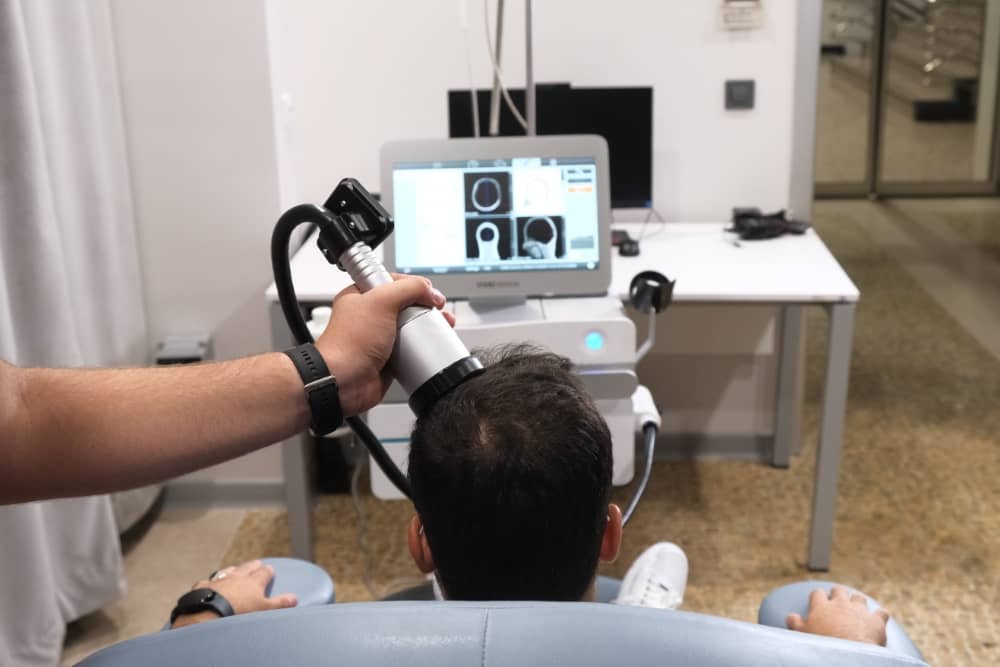
Neuromodulation Technologies
All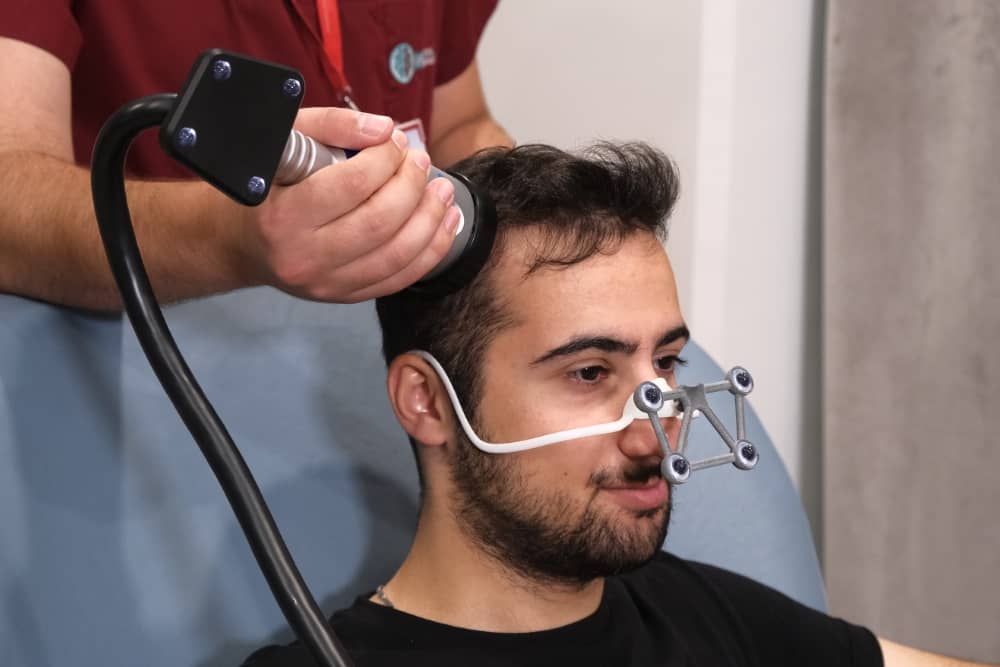
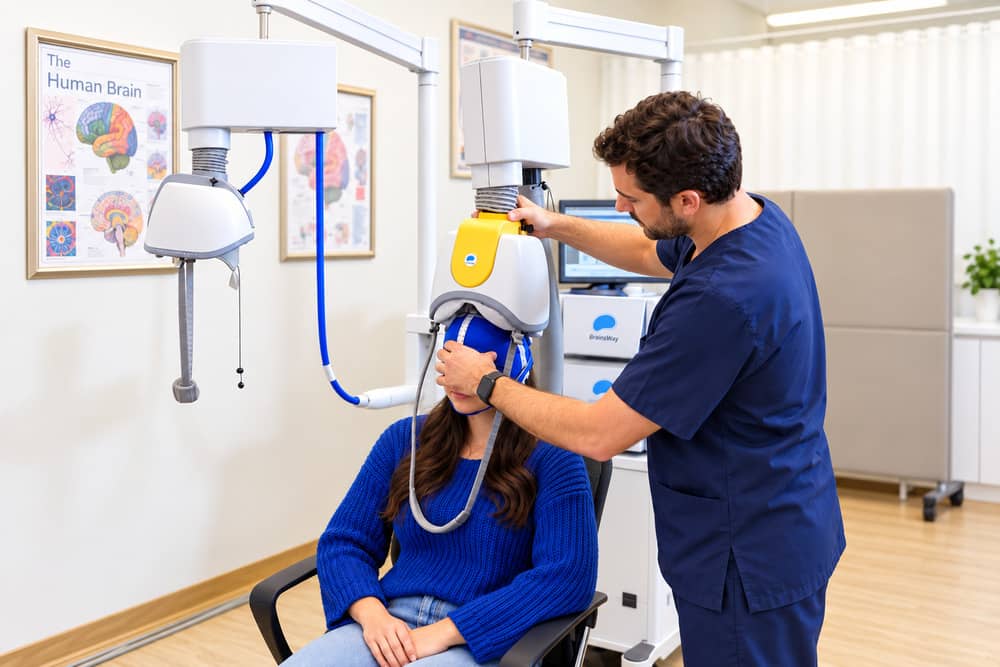
QEEG Topographic Brain Mapping
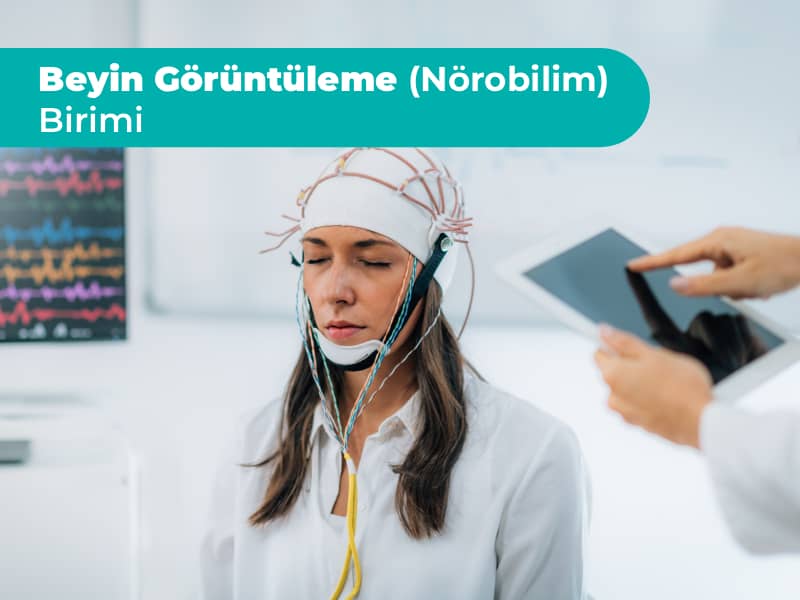
An imaging technique that analyzes brain waves to biologically monitor psychiatric disorders and measure changes during the treatment process.
Detail ViewCenters, Units & Departments
Health Guide
AllWhat is Cupping Therapy (Hacamat)?
Cupping therapy (hacamat) is one of the traditional and complementary medicine practices. During the procedure, a vacuum is created on the skin with the help of special cups. In cupping therapy, following the vacuum, superficial scratches are made on the skin surface and blood is drawn in a controlled manner. The procedure is performed under sterile conditions by physicians who have training and certification within the scope of the relevant legislation.
July 14, 2026
What is Echolalia? Symptoms and Causes of Echolalia
Echolalia is defined as a communication behavior that occurs when an individual repeats words, sentences, or sounds heard in their environment, either exactly or in similar ways. While these repetitions sometimes occur at the moment they are heard, at other times they can be observed as the reuse of previously heard expressions hours, days, or even longer periods later. Echolalia is specifically addressed within the process of language and communication development and is not evaluated as a disease or medical diagnosis on its own.
July 08, 2026
What is Patau Syndrome?
Patau syndrome is a serious genetic disorder known in medicine as "Trisomy 13" and is caused by the presence of an extra copy of the 13th chromosome. This chromosomal difference can affect many organs, primarily the brain, heart, face, eyes, kidneys, and nervous system. Usually detected during pregnancy through prenatal screening tests, ultrasound examinations, and genetic diagnostic methods, Patau syndrome is a rare condition that presents with severe clinical findings. Although there is no definitive cure for the disease, early diagnosis, pregnancy follow-up, a multidisciplinary approach, supportive care, and genetic counseling processes are of great importance for both the family and the baby.
May 13, 2026
What is Hantavirus? Symptoms, Modes of Transmission and Prevention Methods
Hantavirus is a serious viral infection usually carried by rodents such as mice and rats, which can be transmitted to humans through contact with the urine, droppings, or saliva of infected animals. While its initial symptoms mostly begin with flu-like complaints such as fever, muscle pain, fatigue, and headache, in advanced cases it can lead to life-threatening complications such as respiratory failure and kidney problems. To protect against hantavirus, which poses a risk especially for individuals in enclosed storage areas, basements, barns, and rural areas, it is of great importance to avoid contact with rodents, pay attention to hygiene rules, and clean risky areas using protective equipment.
May 12, 2026
What is Ayahuasca (Ayahuasca Tea)?
Ayahuasca tea is most commonly prepared by combining plants such as Banisteriopsis caapi and Psychotria viridis. When these plants are brought together, they can produce a psychoactive effect that they do not create on their own. This situation indicates that ayahuasca tea has a structure that must be carefully considered from a pharmacological perspective.
April 24, 2026
What is Focus Problem in Children? Symptoms and Treatment
Concentration problems in children refer to a child's inability to direct and maintain his attention on a specific subject, lesson, or activity for a sufficient duration. Frequently encountered, especially in preschool and school-aged children, this problem can directly affect both academic success and social relationships. Children experiencing concentration problems may get bored easily during lessons, leave assigned tasks unfinished, fail to fully follow instructions, and frequently daydream. Over time, this situation can lead to a loss of self-confidence, a drop in motivation, and learning difficulties.
Distraction and concentration problems in children can develop due to various reasons. Developmental processes, intra-familial stress factors, irregular sleep, unhealthy nutrition, excessive screen use, and intense exposure to technology can trigger this problem. Additionally, neurodevelopmental conditions such as attention deficit hyperactivity disorder (ADHD) may also lie at the root of concentration problems. Therefore, it is extremely important to evaluate the symptoms correctly and seek professional support when necessary.
February 23, 2026
What is Atypical Psychosis?
Mental health forms the basis of an individual's ability to maintain thoughts, feelings, and behaviors in harmony with reality. However, in some cases, the mind may experience distinct differences in the way it perceives and interprets the outside world. Such situations can lead to temporary or variable impairments in the person's assessment of reality. When these symptoms in the clinical picture do not fully fit classic diagnostic patterns, this condition is called Atypical psychosis.
February 04, 2026
Psychological Tests
AllLatest News
All






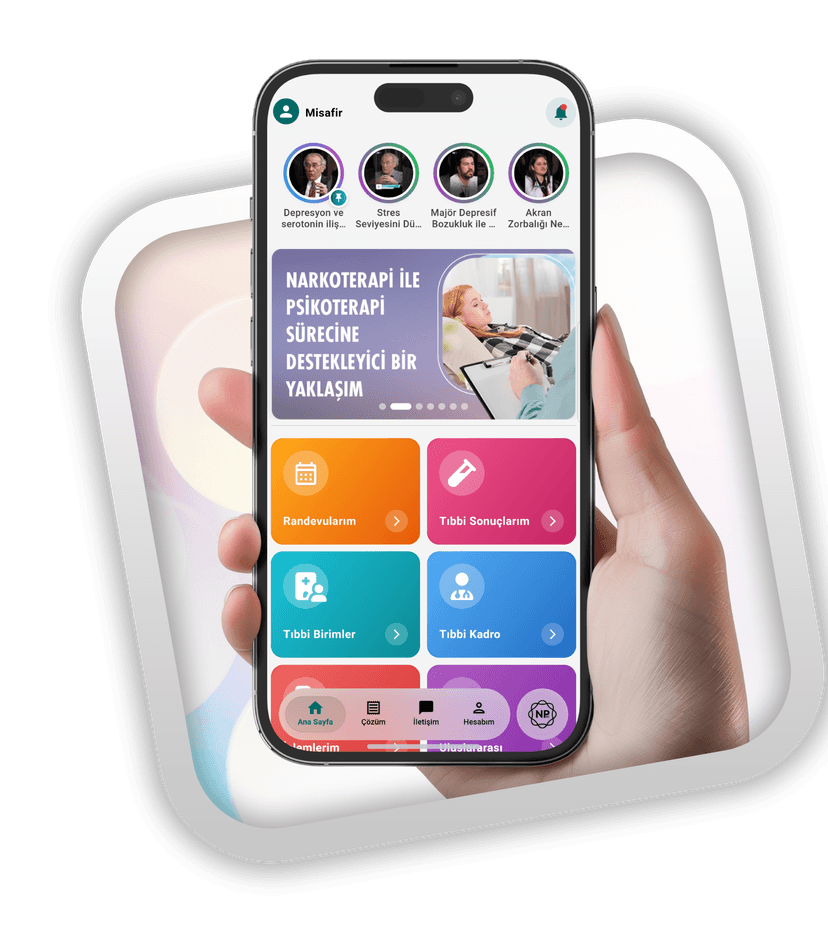
Health Information from A to Z In your pocket!

Download Now
Scan the QR code to download the application.
Online Appointment
Solution Center
Health Guide
Medical Units