
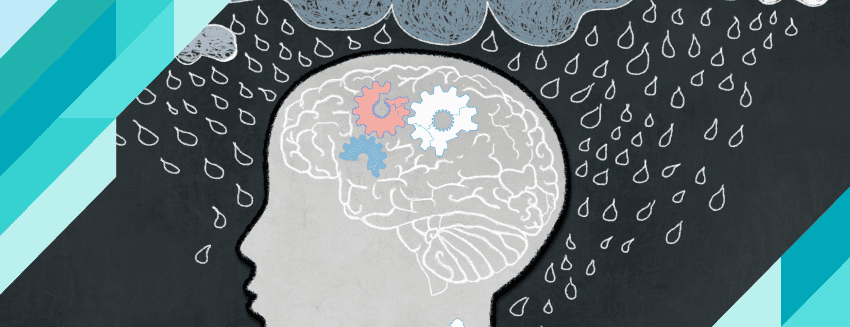
No longer enjoying life, unhappiness, feeling bad for no reason, crying fits, and low energy can be precursors to conditions like depression. Getting rid of this disease, which lowers people's quality of life and disregards their expectations from life, becomes possible through efforts made in daily life.
Depression is a mood disorder that causes a persistent state of unhappiness and a lack of interest. It is also referred to as major depressive disorder or clinical depression. It affects feelings, thoughts, and behavioral patterns, and causes various emotional and physical problems. He may experience problems while carrying out daily tasks and at times may even think that life is meaningless to live. Depression is not a weakness and it is difficult to "get rid of" this condition easily. Depression involves a medium- and long-term treatment process.
What Are the Causes That Trigger Depression?
Depression can occur as a result of many situations experienced in daily life, such as negative events, genetic factors, and psychological factors. There are certain causes that trigger this disease. We can list these causes as follows;
Biological causes: If anyone in the family has a mood problem such as depression, his probability of contracting such diseases is above normal. Even other mind-affecting disorders such as schizophrenia or alcoholism increase the rate of contracting depression.
Psychological factors: Bad factors such as the death of a family member, separation between spouses, or job loss lay the groundwork for depression. The continuous recurrence of situations such as stress and trauma further increases the risk of experiencing depression.
Behavioral factors: Increased alcohol and substance use triggers depression.
Social factors: The lack of social support resulting from the breakdown of strong bonds developed between family and friends can cause depression.
What Are the Symptoms of Depression?
Depression is a mood disorder that negatively affects a person's life. When he is in depression, he cannot think healthily, and he is also negatively affected emotionally and physically. There are certain symptoms of depression. We can list these symptoms as follows;
- Inability to be happy, crying spells, a sense of emptiness or feelings of hopelessness
- Getting angry immediately even over minor issues
- Loss of sexual desire, indifference to daily activities
- Insomnia or hypersomnia
- Low energy
- Loss of appetite or constant desire to eat
- Anxiety, apprehension, and fear
- Moving extremely slowly while thinking, speech disorders
- Feelings of worthlessness
- Constantly dwelling on the past
- Impairment in concentration, inability to make correct decisions
- Constant thoughts of suicide and attempts
- Unexplained physical problems such as back pain and headaches
What Should Be Done to Get Rid of Depression?
It is a mental illness that can be treated. Many patients refuse this treatment due to the prejudices held against him by society. However, depression is a medical illness just like other diseases. Depression treatment is determined according to its degree of importance. While a treatment plan is scheduled under the supervision of a specialist for mild and newly onset illnesses, different precautions are taken in moderate and severe depression cases. In addition, allowing time is very important for the treatment to be successful. Drug therapy and psychotherapeutic treatment usually take time to show their positive reflections. A visible recovery usually manifests itself after a few weeks. Furthermore, the self-care measures you will take for the treatment to be successful and not recur are as follows;
- First, accept his illness and take action.
- Communicate effectively with his friends and family.
- Regulate his sleep schedule. Make an effort to sleep early and wake up early.
- Do not be hopeless and withdraw into himself.
- Talk transparently with his specialist physician or psychotherapist.
- Do not discontinue his treatment until the required time is completed.
- Express his feelings clearly.
- Listen to and apply the recommendations of his expert psychotherapist.
- Choose small, achievable goals.
- Try to get out of bed quickly after waking up from sleep.
- Keep his body constantly active.
- Determine a weekly plan.
- Try to take an active role in social aid projects.
- Do not use alcohol and drugs.
- Show patience.